Health & Wellness / Research-informed guide / October 2026
How to Build an Active Week Without a Gym Membership
Movement does not have to be expensive, intense or squeezed into an impossible schedule. An active week without a gym can begin with ordinary opportunities you already have.
WHO recommends 150–300 minutes of moderate aerobic activity per week for most adults, or an equivalent vigorous-activity amount, alongside muscle-strengthening work on two or more days.
Evidence: WHO physical activity factsheet. The guidance is a public-health target for adults, not a requirement to begin at that level. Some activity is better than none; individual health needs vary.Count more than formal exercise
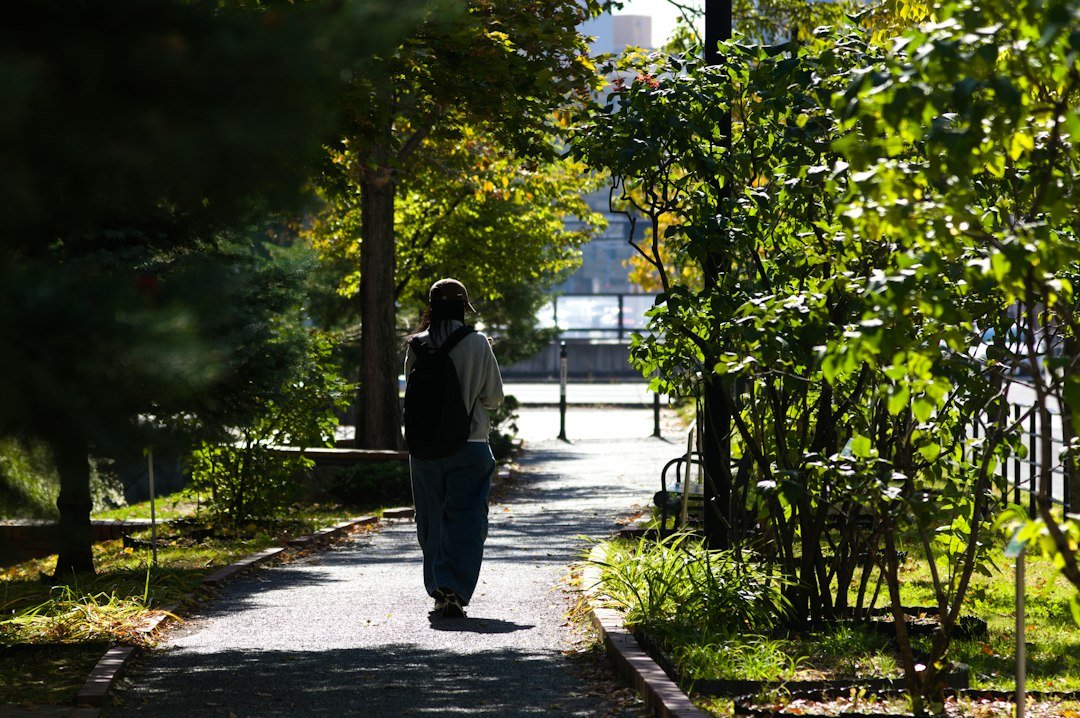
Walking to a shop, moving between errands, cycling for transport and dancing at home can all contribute to activity. You do not have to call an activity a workout for it to matter. The most useful starting point is to notice where movement naturally fits.
If the usual recommendation feels intimidating, begin with an achievable amount. A comfortable five- or ten-minute walk may be more realistic than a demanding class. Increase based on how you feel and any medical guidance relevant to you.
Choose a reliable weekly pattern
Look at work, study, family commitments and travel before assigning exercise times. Circle two or three windows when a short activity is genuinely possible, then plan a backup for bad weather or interruptions.
Treat the schedule as an invitation, not a punishment. Movement may be shorter on busy days and longer on days with more flexibility. Your plan is successful when it supports your health without undermining work, rest or essential responsibilities.
Understand moderate effort
Moderate-intensity movement generally makes breathing and heart rate faster while still allowing conversation. Brisk walking is one common example, but the same pace can feel different to different people. Avoid using another person’s speed or step count as a standard for your own fitness.
A practical way to monitor effort is to notice whether you can speak in sentences. If you experience chest pain, faintness or unusual shortness of breath, stop and seek appropriate help. People with chronic conditions or injuries may benefit from individualized instructions.
Include strength without specialized machines
WHO also recommends muscle-strengthening activities on two or more days weekly. Depending on your ability and environment, this might include supported sit-to-stands, wall push-ups, resistance-band rows or carrying manageable household items.
Technique and safety matter more than the name of the exercise. Begin with comfortable resistance and controlled movement. If pain, balance difficulties or recent injury are concerns, consult a qualified professional rather than relying on a generic program.
Build small movement breaks
A day spent sitting can still include opportunities to stand, stretch within comfort or walk briefly. Consider taking a short break between focused work blocks or moving after a long video call. This is not a rule that everyone should interrupt work at the same frequency.
Make the breaks realistic for your environment. Someone providing care, working on a production line or managing an injury may need a different approach. Accessible seated activity is also valuable when walking is not appropriate.
Prepare for weather, accessibility and energy
A home-based fallback can prevent a rainy day from derailing a routine. Walking in a safe corridor, moving gently to music or using a resistance band can work without special facilities. Check the space for slipping or tripping hazards.
On days when you are unwell or exhausted, it may be safer to rest. The purpose of an active-week plan is to improve your life, not to create pressure to exercise regardless of symptoms.
Track participation, not calories burned
Instead of focusing only on a device’s calorie estimate, record the kind of movement you did and how you felt afterward. These details can show which options are comfortable and worth repeating.
Two weeks later, review the plan. Perhaps lunchtime walking works but evening strength exercises do not. Change the timing, decrease the complexity and continue with activities you can realistically sustain.
What this looks like in everyday life
Example: Someone who spends much of the day at a desk chooses a short walk on Monday, Wednesday and Friday, a few comfortable strength exercises on Tuesday and Saturday, and flexible leisure movement during the weekend. The initial schedule is deliberately below a public-health target, because the first job is to establish safe, repeatable opportunities.
Action plan you can adapt
This example is a starting point rather than a universal prescription. Adjust the timing and effort to your responsibilities, abilities and the resources you have available.
| Day | Practical movement idea |
|---|---|
| Monday | Walk during one break |
| Tuesday | Gentle strength session at home |
| Wednesday | Walk to an errand or outdoors |
| Thursday | Flexible rest or comfortable movement |
| Friday | Brisk walk within your ability |
| Saturday | A second strength opportunity |
| Sunday | Review and plan the coming week |
Questions readers often ask
Do I have to reach 150 minutes immediately?
No. WHO guidance encourages regular activity, and doing some activity is better than none. Increase gradually when appropriate.
Can walking count as exercise?
Yes. Walking can contribute to aerobic activity, with intensity depending on your individual effort.
What if I have knee or back pain?
Avoid pushing through worsening symptoms. An appropriate healthcare professional can help identify safe activities and modifications.
Evidence, references and limitations
Primary source: WHO physical activity factsheet.
For a Norway-specific public resource in English, Helsenorge explains physical activity and mental well-being, including modest starting points. See the Research & Sources Library for further context.
The guidance is a public-health target for adults, not a requirement to begin at that level. Some activity is better than none; individual health needs vary. This article is written for general education, includes AI-assisted drafting and is not tailored medical, legal, investment or mental-health advice. Published 16 October 2026. You can report an issue through our Contact page and read our editorial standards.

