Better Lifestyle / Physical wellness / October 2026
Strength Training at Home: A Gentle Two-Day Starter Plan
Getting stronger does not require a room full of machines. A beginner can build a safe, realistic strength habit using controlled movements and sensible progression, while respecting individual health needs.
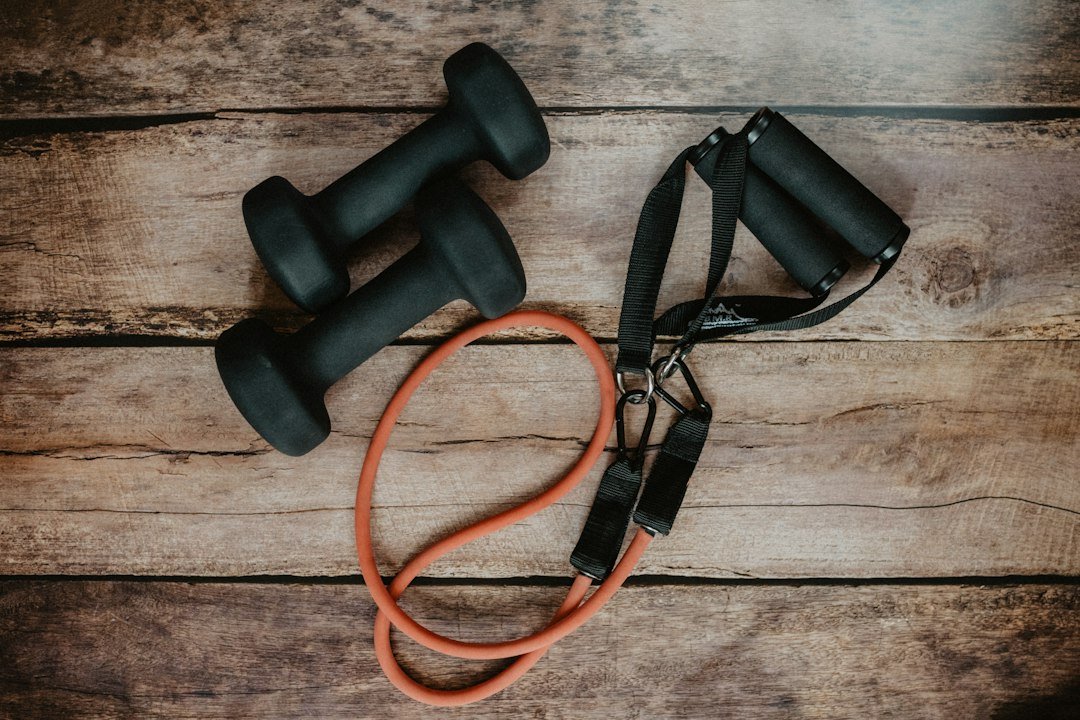
WHO recommends muscle-strengthening activities for all major muscle groups on two or more days per week for adults, alongside appropriate aerobic activity.
Source: WHO physical activity guidance for adults. This is general public-health guidance, not an individualized exercise prescription. The right exercises and intensity depend on ability and health.Define what a strength session needs to do
Strength training means asking muscles to work against resistance. That resistance may come from body weight, elastic bands or objects you can hold securely. Beginners often benefit from a few simple movement patterns rather than a complex split used by advanced athletes.
Choose exercises that feel controlled and appropriate to your circumstances. If a movement causes sharp pain, unusual dizziness or concerning symptoms, stop. A qualified professional can offer modifications when an injury or medical condition affects safe exercise.
Start with a comfortable warm-up
Before resistance work, spend a few minutes moving comfortably, perhaps walking indoors, rolling your shoulders gently or practising an easier version of the first exercise. The purpose is to prepare, not to tire yourself out.
Avoid dramatic stretching or fast repetitions if you are unfamiliar with a movement. Use enough space, stable footwear where needed and furniture that cannot easily slip.
Choose movements that fit your body
A supported sit-to-stand from a stable chair may train lower-body effort; a wall push-up can train pushing muscles; a light band row can train pulling. An appropriate carrying task or modified hip-hinge movement may support everyday function.
No single exercise is essential. Balance, mobility, recent surgery, pregnancy, joint problems and other factors can require changes. If you are unsure about technique, seek qualified guidance rather than imitating an advanced video.
Use an effort level you can repeat
A small set of controlled repetitions can be enough to practise a movement. Stop before form deteriorates. You do not have to train to exhaustion or feel significant soreness for a session to count as useful.
A simple first session might involve one or two sets for a few exercises, with comfortable rest. The correct amount of work varies. Progression should be gradual and based on good control, recovery and professional advice when relevant.
Leave time between harder sessions
Two nonconsecutive training opportunities can be easier to recover from than placing demanding exercises on consecutive days. Rest, food and sleep all contribute to an activity routine. A person who is unwell or recovering from an injury may need a different schedule.
Strength training can complement walking and other enjoyable movement. Do not see a missed session as a debt that requires twice as much training the following day.
Track comfort and strength changes honestly
Write down the exercise, number of comfortable repetitions and any useful technique note. You might observe that standing from a chair feels easier or that a band movement becomes smoother. Progress is broader than changing the number on a scale.
Avoid comparing your first month with a stranger’s years of training. If symptoms persist or your abilities change suddenly, consult an appropriate clinician.
Adapt the plan to make it sustainable
You can make a program shorter, gentler or more accessible. Seated versions, lighter resistance or assistance from stable support may help in some circumstances. A useful plan gives you choices without promising rapid transformation.
Review your routine after two weeks. Keep the movements you can do comfortably, replace those that do not fit, and consider professional instruction if you want to progress toward challenging strength goals.
A realistic example
Example: On Tuesday, a beginner performs a comfortable warm-up, supported sit-to-stands, wall push-ups and a gentle band row. On Friday, they repeat a similar session with plenty of rest. They write down what felt controlled and adjust the movements rather than automatically increasing weight.
Simple checklist to use this week
This worksheet is an illustrative starting point, not an individualized prescription. Adapt it to your circumstances and prioritize safety.
| Session | Beginner-friendly focus |
|---|---|
| Day one | Warm up; supported leg, push and pull patterns |
| Day two | Comfortable walking or daily activity |
| Day three | Rest or easy mobility |
| Day four | Repeat a modified strength session |
| Day five | Optional enjoyable movement |
| Weekend | Rest, walk and review how the body feels |
Frequently asked questions
Do I need weights to begin?
Not always. Appropriate bodyweight movements or resistance bands may be sufficient for an early routine.
How many strength sessions should beginners aim for?
WHO offers two or more days weekly as a general adult target, but a safe starting frequency depends on the person.
Is soreness proof of a good workout?
No. Excessive soreness is not a required measure of progress. Quality, comfort and sustainable effort matter.
Sources and editorial transparency
Primary reference: WHO physical activity guidance for adults.
This is general public-health guidance, not an individualized exercise prescription. The right exercises and intensity depend on ability and health. Published 16 October 2026 with AI-assisted drafting, independent source links and practical examples. This is general educational information, not individual health, investment, tax or legal advice. Read our editorial standards and transparency policy.

