How to Compare ChatGPT Alternatives: 7 Practical Checks
AI assistants can help with writing, study, coding and research, but the right choice depends on what you need and what the provider actually offers. This guide explains seven criteria for comparing AI tools, rather than presenting seven unnamed products as independently tested recommendations. Features, prices, privacy practices and availability can change. Confirm them on each provider’s official website before making a choice.
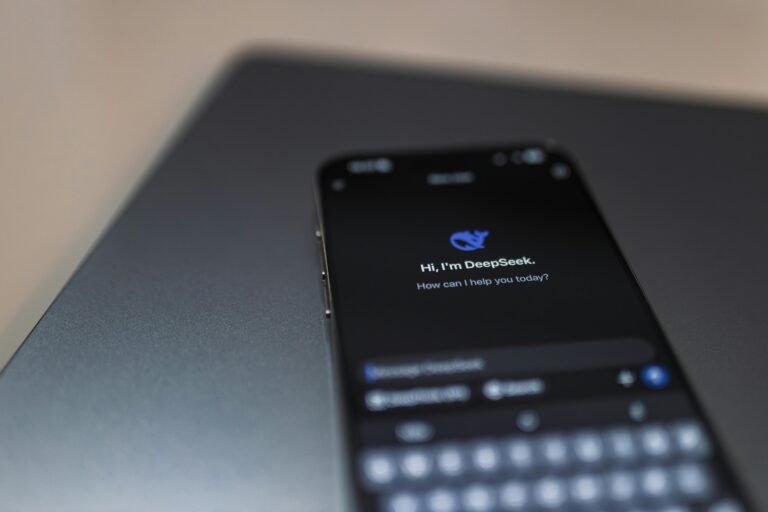
1. What Are ChatGPT Alternatives?
Before diving into the list, let’s explain what we mean by “ChatGPT alternatives.” These are AI chatbots that work in a similar way to ChatGPT. They use natural language processing to understand and generate text, but each one has its own special features, style, and advantages.
- In Simple Words:
Think of ChatGPT as a friendly robot that can answer your questions. Its alternatives are like a team of robot friends, each with a slightly different way of talking or helping you out. - Data Insight:
Blogs on DataCamp, ZDNet, ClickUp, Zapier, and Simplilearn show that the market is brimming with innovative AI chatbots that can be tailored for creative writing, business support, or even fun conversations.
2. Why Consider Alternatives to ChatGPT?
There are many reasons to explore AI chatbots other than ChatGPT:
- Specialized Features: Some alternatives offer enhanced integration with business tools, better customization, or specialized content generation.
- Improved Performance: Certain platforms may be faster or more efficient for specific tasks like customer service or creative storytelling.
- Cost and Accessibility: Alternatives might offer different pricing models or free tiers that suit individual needs better.
There is no universally best AI assistant: compare the tool against your own task, privacy needs, budget and accessibility requirements.
3. Seven practical checks before choosing an AI alternative
Compare candidates with the same simple task so differences are meaningful. These seven checks are evaluation questions, not rankings or evidence that one product performs better.
- Task fit: Does the service support the work you actually need (for example, summarizing a document, coding or writing)? Test a representative example.
- Accuracy and evidence: Does it distinguish facts from guesses? Check important answers against primary sources; plausible citations can be wrong.
- Privacy: What happens to your prompts and uploaded files? Review retention, training-use settings, sharing controls and account deletion before entering sensitive material.
- Price and limits: Compare the actual free-tier limits, paid subscriptions, usage caps and cancellation terms on official pricing pages.
- Language and accessibility: Test the languages, readability, keyboard access and assistive technology support that matter to you.
- Integration and export: Can it work with your existing tools? Can you copy or export your work without being locked into a platform?
- Human review and failure handling: Can you check and edit outputs easily? Do not use a chatbot as the sole authority for medical, legal, employment or financial decisions.
Simple comparison method: Choose two or three actual products, give them one non-sensitive prompt, and record what worked, what required correction, the current price and any privacy concern. Do not assign scores without running the test.
For a beginner-friendly explanation, read our AI basics guide. To evaluate claims and links, see Research & Sources.
4. How Do These AI Chatbots Help in Real Life?
Business Benefits
- Efficiency: Companies use AI chatbots to handle repetitive tasks, freeing up human employees for creative problem-solving.
- Customer Engagement: Faster and more personalized responses lead to happier customers.
Personal Growth
- Learning Aid: Students and lifelong learners use chatbots to get quick answers and simplify complex subjects.
- Creativity Booster: Writers and artists find inspiration through creative AI tools that suggest new ideas.
AI tools may be useful assistants, but their output needs checking and their use should respect confidentiality, privacy and human oversight.
5. Recommended Resources for AI Chatbot Enthusiasts
Books
- Artificial Intelligence For Dummies by John Paul Mueller
A friendly guide that explains AI concepts in clear, simple language. Buy it here
Films & YouTube Videos
- YouTube Videos:
- Films:
- Ex Machina – A thought-provoking film about AI and human interaction. Watch the trailer
Courses
- Coursera: AI For Everyone by Andrew Ng
An accessible course that introduces the fundamentals of AI and its applications. Enroll now - AI courses and programs: If you want further structured learning, browse current AI courses on edX and check prerequisites, costs and schedules directly.
6. Try a fair side-by-side test
Illustrative exercise (not a customer testimonial): Ask two tools to explain an unfamiliar term, outline a short email and identify a source for one factual claim. Use identical prompts, avoid personal data and independently verify the factual claim. Note any mistakes, unsupported references and usability limitations.
For structured risk-management concepts beyond this beginner checklist, consult the NIST AI Risk Management Framework. Its professional guidance is not an endorsement or performance ranking of any chatbot mentioned here.
7. Final Thoughts
Artificial intelligence like ChatGPT and its alternatives is transforming the way we work, learn, and create. Whether you’re a business leader seeking efficiency or a curious beginner eager to explore AI, there’s a chatbot out there that fits your needs. Remember, each tool has its unique superpower—just like a team of superheroes working together to make the world a better place.
Embrace the journey, explore the resources provided, and discover which AI chatbot inspires you the most. After all, learning about AI is not just about technology; it’s about unlocking new possibilities for innovation and creativity.
What’s your favorite AI chatbot, and how has it helped you? Share your story in the comments below!
Discover more from Better Lifestyle
Subscribe to get the latest posts sent to your email.


Thank you for your sharing. I am worried that I lack creative ideas. It is your article that makes me full of hope. Thank you. But, I have a question, can you help me?